
BTL Marketing Guide: How Regional Insights Drive Smarter Below the Line Campaigns
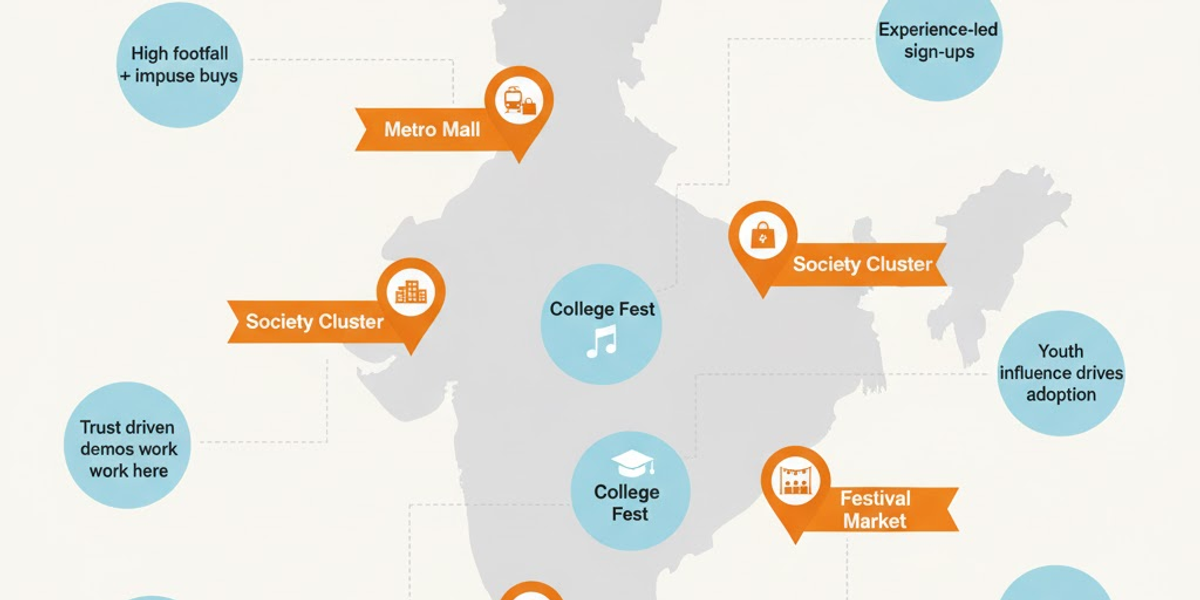
Why India's smartest brand managers build experiential BTL with a microscope, not a megaphone.
Looking for a btl marketing agency that delivers measurable offline impact? CupShup combines AI-powered targeting with on-ground BTL activations across 10,000+ campaigns, helping brands cut through digital noise with real-world experiences that convert.
If you’ve been in Indian marketing for even five minutes, you know one universal truth. India is not a market. India is a plot twist. Just when you think you’ve cracked the audience, they say surprise beta, hum alag hi karenge.
And no place does this hit harder than in Below-The-Line marketing and hyperlocal Experiential marketing.
BTL is where you come face to face with your consumer, not sitting behind dashboards pretending CTRs are a love language.
I’ve been writing about brands for a while now, and every time I sit to draft a BTL deck, I hear Maaz muttering in the background, yeh idea Gurgaon mein chalega, par Indore mein toh log humko hi sample bana denge. He’s not wrong.
This beautiful chaos is exactly why regional insight is not optional for BTL. It is oxygen for Campaign management, Integrated marketing plans and amplifying real consumer connection.
At CupShup, we lovingly call this shift the move from mass messaging to micro resonance. Or in our slightly filmi style: marketing that genuinely moves. And after watching campaigns succeed, stumble, revive, and sometimes achieve viral superstardom chai tapri style, our entire team now says this in unison.
Great BTL is never universal. It is always regional.
Let’s break it down. Light, fun, and real. Bilkul CupShup style.
What is Below the Line Marketing (BTL)?
Below the line marketing — or BTL marketing — refers to targeted, direct-to-consumer promotional activities that happen outside of mass media channels. While ATL (above the line) marketing uses TV, radio, and billboards to reach broad audiences, BTL gets personal. It meets consumers where they live, work, and shop.
Common BTL activities include:
Product sampling campaigns — putting the product directly in consumers' hands at gyms, offices, and residential societies
In-store promotions — branded displays, demos, and point-of-purchase activations at retail outlets
RWA (Residential Welfare Association) activations — engaging families at housing society events and common areas
Mall activations and kiosk setups — interactive brand experiences in high-footfall commercial spaces
Street-level promotions — flyer distribution, pop-up stalls, and ambient advertising in targeted localities
Corporate office activations — targeting professionals through office pantries, cafeterias, and co-working hubs
The magic of BTL is proximity. You're not shouting from a billboard — you're handing someone a sample, answering their questions, and building trust in real time. That's why research shows BTL drives 78% brand recall versus 48% for ATL in rural FMCG markets.
At CupShup, we've been executing BTL activities across 500+ cities in India for over a decade. From branded chai cups in office pantries to full-scale hyperlocal marketing campaigns — we know what works on the ground because we've been on the ground.
BTL vs ATL Marketing: Why Below the Line Wins on the Ground
If you're a brand manager wondering where to put your budget, here's the honest breakdown:
Reach: ATL targets mass audience, BTL targets specific audience. Cost: ATL is higher (TV, print, OOH), BTL is lower and more controlled. Measurement: ATL is harder to attribute, BTL is directly measurable. Trust: ATL builds awareness but not trust, BTL builds real trust through interaction. Brand recall: ATL delivers 48% in rural FMCG, BTL delivers 78%. Content potential: ATL has limited UGC, BTL drives high UGC and shareability. Best for: ATL works for awareness at scale, BTL works for trial, conversion, and loyalty.
The smartest brands don't pick one over the other. They use ATL to create awareness and BTL to seal the deal. But if your budget forces a choice — especially in India's diverse market — BTL gives you more bang per rupee because it adapts to local realities.
That's where regional intelligence becomes critical. A sampling campaign that crushes it in Gurgaon might completely miss in Indore. Not because the product is wrong, but because the approach doesn't speak the local language — literally and emotionally.
Why Regional Insights Matter More Than Ever In Integrated Marketing
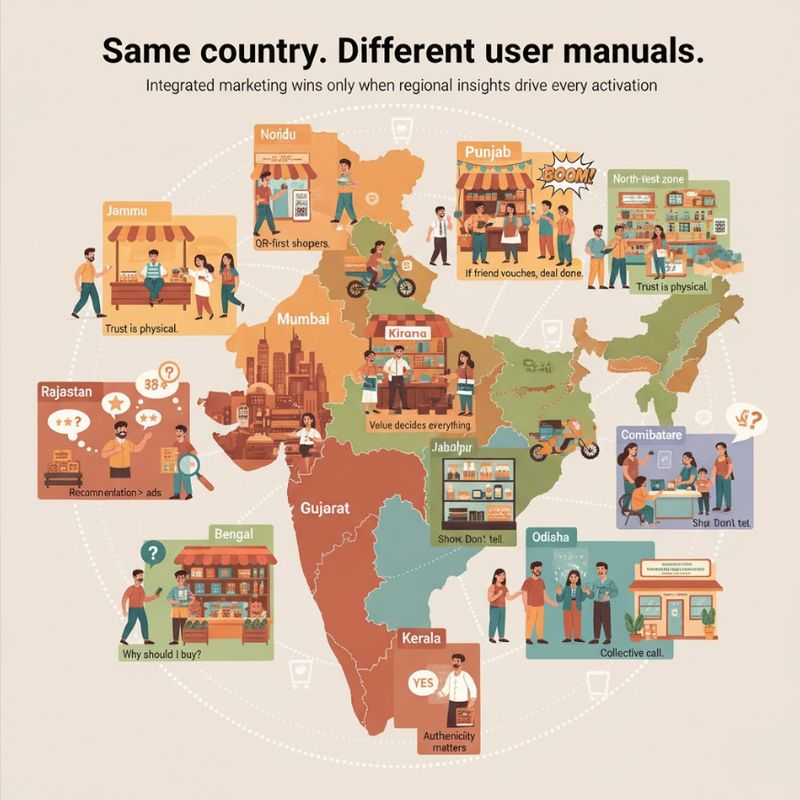
India behaves like twenty countries hiding in one map
Visit a posh mall in Noida and people are scanning QR codes like it’s cardio. Go to a market in Jabalpur and a shopkeeper’s recommendation is stronger than any influencer’s reel. Land in Coimbatore and consumers will politely hear your pitch but won't buy till they literally touch-test the product.
Same country.
Different user manuals.
This is why Yuvana always says jab tak hum logon ko unke area ke hisaab se nahi samjhenge, tab tak koi activation activation nahi, bas decoration lagti hai.
She’s right. Because BTL marketing is all about resonance, not reach.
Reach impresses spreadsheets.
Resonance impresses people.
Regional insight is backed by performance data
One of my favorite inputs ever came from Divyanshu. He once looked up from an Excel sheet after two hours of silence and went, “You won’t believe this. Region-tuned BTL in rural FMCG has 78 percent recall versus 48 for ATL”.
This man says profound things only after drinking chai.
But he was right.
A ResearchGate-backed study confirms this. Rural BTL drives triple the repeat purchase because it aligns with real behaviour on ground.
This matters even more when you’re thinking omnichannel marketing and amplification. If the offline piece is not regional, even the sharpest online funnels or Marketing automation workflows will struggle to convert.
And here’s the thing. You don’t need a PhD to see why.
When you speak the region’s emotional, cultural, and behavioural language, people respond.
When you don’t, they stare at you like the last benchers staring at a trigonometry question.
The Science Behind Regionalised BTL And Experiential Marketing
Brands often hear "regional insight" and think translation.
Arre nahi yaar. Translation is chapter one of a 12-chapter novel.
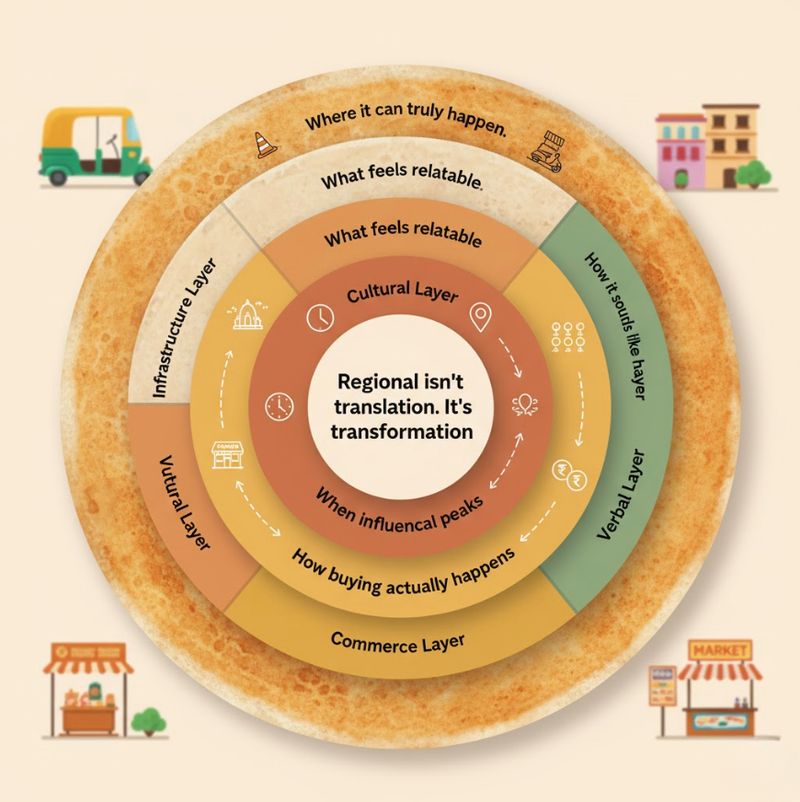
Real regional intelligence is multi-layered.
Like a well-made dosa. Crisp strategy outside, soft insight inside.
1. The Cultural Layer Of Hyperlocal BTL
This is the why behind consumer behaviour.
Things like:
- local festivals
- rituals around purchase
- community influence
- what signals aspiration
- what signals trust
Sourav loves pointing out how “culture changes every 20 kilometers, so copy also needs to travel that distance”. Simple statement, massive truth.
Understanding this layer helps brands avoid tone-deaf messaging and instead create Experiential marketing activities that feel naturally woven into people’s daily lives. The cultural layer decides if your brand feels relatable or like a guest still finding their slippers.
2. The Contextual Layer That Powers Stronger Campaign Management
This one decides when your message lands.
Every region has its own daily influence window.
Examples pulled straight from our on-ground chaos:
- Hyderabad tech zones bloom after 6 pm
- Indore grocery runs peak Sunday mornings
- Surat markets restart after the classic city-wide siesta
- Chennai residential clusters show action post dinner
If you’re activating at the wrong hour, you’re basically performing standup comedy to an empty room. Jokes achhe hote hain, but audience bhi chahiye.
The contextual layer also helps you choose the right Integrated marketing format. A housing society in Pune may respond better to a warm, friendly booth setup, while a buzzing market in Jaipur needs something more attention-grabbing. Timing and context go hand in hand.
3. The Commerce Layer That Drives On-Ground Conversion
This answers how buying happens in the region.
Not how the brand wishes it happened.
In parts of North India, the shopkeeper is the real nano-influencer. When he says "yeh lo, accha hai", it has more power than a 30-second brand film.
When brands ignore this, conversions go on vacation.
This layer also includes understanding payment habits, trust patterns, and how much sampling matters to the audience. It affects sales velocity more than most marketers assume.
And when linked with Omnichannel marketing, this layer ensures your offline insights fuel online journeys too.
Understanding the commerce layer also helps brands design more effective promotional activities. A buy-one-get-one offer might work in price-sensitive markets like Indore or Lucknow, but in aspirational zones like Gurgaon's Cyber Hub, an exclusive "try before you buy" experience carries more weight. Regional intelligence tells you which promotional activity format will resonate — and which will flop.
4. The Verbal Layer For Better Amplification And Recall
This is not language translation.
It is language feeling.
It’s about rhythm, slang, intonation, colloquial charm.
What sounds relatable.
What feels like home.
What sounds like a friend’s recommendation and not a marketing script.
Krithika once said “regional lines should sound like they belong to the city, not like they arrived there yesterday carrying a suitcase”. This line lives rent-free in all our briefs now.
The verbal layer tells you how to make your brand sound like a familiar voice in a busy street, not an outsider with a loudspeaker.
And that instantly improves amplification and word-of-mouth.
5. The Infrastructure Layer That Shapes Execution and Automation
This is your reality check.
Will the RWA allow an activation here?
Is the footpath too narrow?
Is Saturday crowded or shut?
What are the noise rules?
Will the promoter even get parking?
Nothing humbles a BTL plan faster than actual on-ground limitations.
This layer separates the dreamy deck version from the practical working version.
Sidharth often ends up scouting locations on Google Street View and real maps to help the team plan routes and predict footfall patterns. He calls it “jugaad analytics”, but honestly it works and also helps refine Marketing automation triggers later.
Inside CupShup. How We Use Regional Intelligence In Integrated Marketing And Campaign Management
Inside our team, planning a BTL activation feels a little like solving a mystery. Where do people gather? What is the neighbourhood mood? How do residents talk? When are WhatsApp groups the most active?
Surya, who handles a lot of our data recording, once pointed out that a housing society in Pune saw peak QR scans around 9.30 pm, not 7 pm.
We shifted our promoter timings accordingly.
Result: a 32 percent increase in scans with zero increase in manpower.
This is why we say regional intelligence is not theory. It is field-tested learning that saves money, improves performance and makes the activation smarter without making it more expensive.
It strengthens Integrated marketing plans and improves both offline and online amplification.
Expert Tactics Only Seasoned Practitioners Know
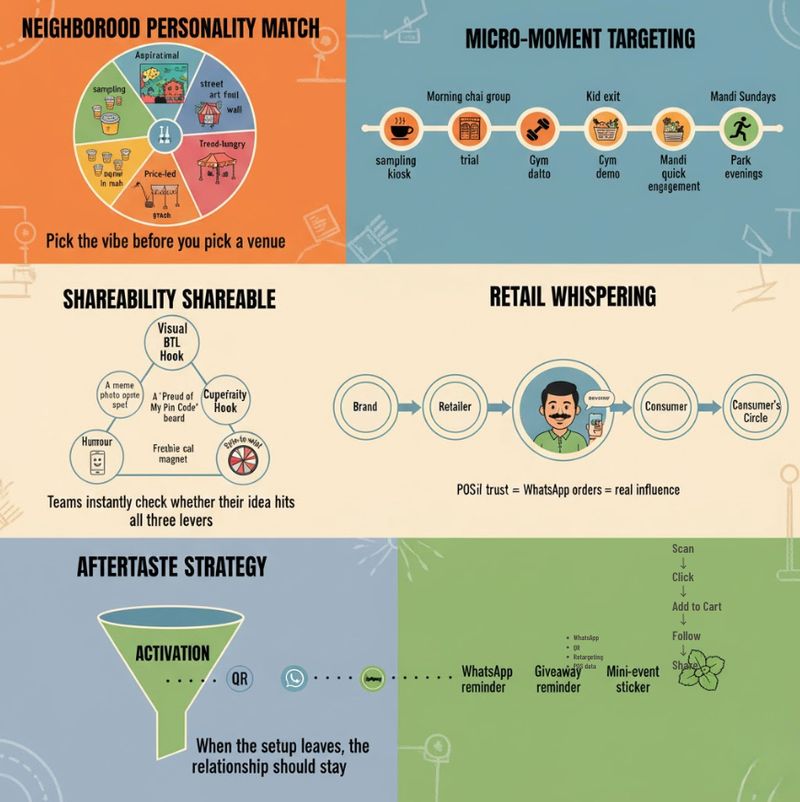
1. The Neighbourhood Personality Match For Hyperlocal Success
Every locality has a vibe.
- Aspirational.
- Community-driven.
- Price conscious.
- Novelty-loving.
- Low-attention.
Activate in the wrong tone and you become an uninvited baraat.
Activate in the right one and you unlock some of the best Experiential marketing moments possible.
2. Micro-Moment Targeting For Better Campaign Management
Don’t target people.
Read next: Winning the Quad: Lessons to Nail College & Society Activ..., How Emotions Shape Memory in BTL Experiences, and More Than Free: How to Turn Sampling into Strategy.
Read next: Winning the Quad: Lessons to Nail College & Society Activ..., How Emotions Shape Memory in BTL Experiences, and More Than Free: How to Turn Sampling into Strategy.
Target their behaviour peaks.
Like:
- morning chai groups
- pre-school pick-up pauses
- post-gym cooldown chats
- Sunday sabzi mandi
- evening park circuits
Regional insights guide you to these micro-moments.BTL then turns them into micro-conversions using both physical interaction and online amplification.
3. Make BTL Shareable For Stronger Amplification
Every successful activation has three hooks. A visual one. A conversational one. A curiosity one.
Different regions prefer different kinds of shareability. Some cities love humour. Some love pride. Some love a good freebie. Regional nuance decides which one pulls people in.
And when online channels pick it up, your Experiential marketing effort becomes true Omnichannel marketing.
4. Retail Whispering For Faster On-Ground Wins
A tactic older than digital marketing.
If the retailer trusts you, the consumer will trust the retailer.
Sometimes the best influencer ID is the kirana store owner’s phone number.
This trick alone has saved many brands' Campaign management plans.
Why Brands Choose CupShup as Their BTL Marketing Agency
CupShup isn't just another btl marketing agency — we're a team that's built BTL excellence into the DNA of 10,000+ brand activations across 300+ Indian cities. From hyperlocal sampling drives and mall activations to AI-powered audience mapping and real-time campaign dashboards, our hybrid BTL + tech approach delivers results that pure-play agencies can't match.
Sampling Campaigns: The Most Underrated BTL Activity
If you want consumers to believe in your product, stop telling them. Let them taste it, smell it, or try it.
Sampling campaigns remain one of the most effective BTL activities for FMCG and D2C brands. The concept is simple — distribute product samples at high-intent locations — but the execution separates good from great.
What makes a sampling campaign effective:
Location intelligence matters more than volume. Distributing 50,000 samples randomly will waste 40,000. Distributing 10,000 samples at locations where your exact target audience gathers — gym lobbies for protein bars, office pantries for coffee, salons for skincare — will outperform every time.
Pair sampling with a feedback loop. Add a QR code to the sample packaging. Let people scan for a coupon or a quick survey. Now your BTL activity feeds your digital funnel — and you've got first-party data to show for it.
Time it with micro-moments. Offer a cold beverage sample at 3 PM in an office lobby (energy dip hour). Offer skincare at salon exits. The regional layer of CupShup's framework helps identify these timing windows city by city.
We've run sampling campaigns for brands like Big Basket, Urban Company, and Vicco — and the consistent insight is this: a well-placed sample converts better than a well-placed ad. Every time.
5. The Aftertaste Strategy For Extended Amplification
Never let your activation end just because the promoter packed up.
Leave behind something that keeps the story going. A QR trail.
A small freebie.
A WhatsApp follow-up.
A local micro-event.
A clever callback.
Think of it as giving the consumer a mint after a meal. They remember you longer.
This strategy anchors the offline event in your Omnichannel marketing funnels.
Real IRL Examples of Regionally Intelligent Experiential Marketing
Godrej Properties X Swiggy Instamart
In Bengaluru, they inserted branded "keys" into grocery deliveries to promote a new housing project.
They tapped into a very specific behaviour: the city’s love for convenience shopping and curiosity-led engagement.

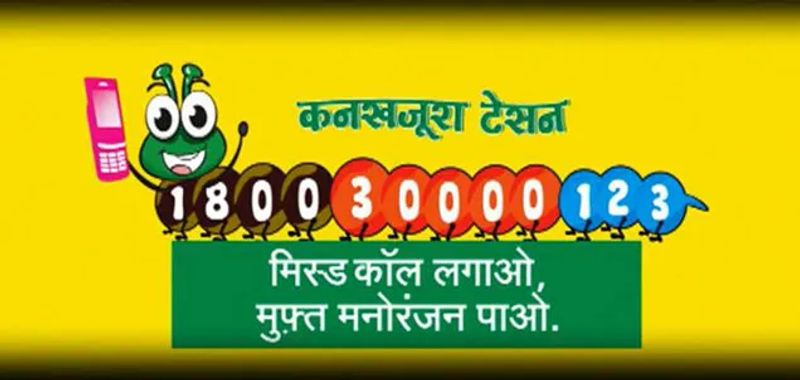
Hindustan Unilever’s Kan Khajura Tesan
Focused entirely on Bihar and Jharkhand, where TV penetration was low but mobile usage was high.
They used missed calls as an engagement channel.
These campaigns didn’t just speak to regions. They listened first.This is hyperlocal Experiential marketing at its best.
How to Build Your Own Region-First BTL Playbook With Integrated Marketing
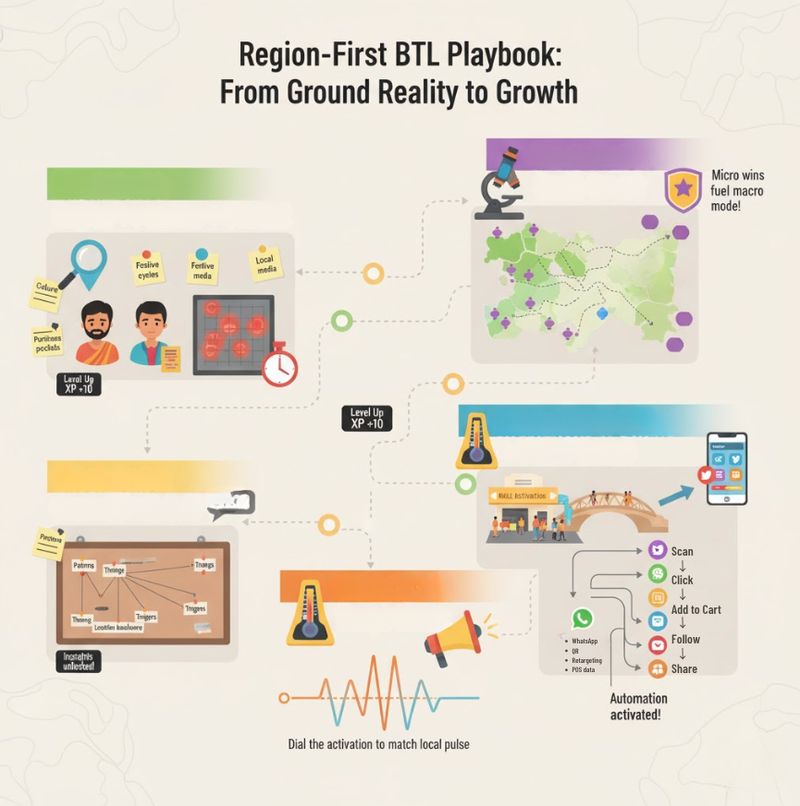
Step 1. Map region to persona, behaviour, context
Decoding this is like leveling up in a video game. Suddenly everything makes sense.
Step 2. Identify your ground truths
Think patterns, timings, emotional triggers and location behaviour.
Step 3. Match your activation to the region’s tempo
Right time, right tone, right location.
Step 4. Build an offline to online bridge
Every BTL touchpoint should lead to a measurable action.
This is where Marketing automation and Omnichannel marketing shine.
Step 5. Measure small. Scale smart
Micro-markets teach more than national dashboards do.
Final Word. BTL That Understands India Wins India
In a country where the culture changes every time the bus conductor shouts "agla stop", your BTL can’t afford to be generic.
It has to smell like the region, sound like the region and move like the region.
Only then does the brand move with the people.
At CupShup, this is what makes our work fun.
We don’t just create activations.
We create region-shaped conversations.If you want your next BTL marketing initiative to actually deliver outcomes and not just activity, we’re here to help.
Reach out to us at contact@cupshup.co.in and let’s build an Integrated marketing plan that moves people, sparks conversations and scales through smart amplification and Omnichannel marketing.
BTL Marketing FAQs
What are the most effective BTL activities in India?
The most effective BTL activities in India include product sampling at RWAs and office campuses, mall activations with interactive experiences, and hyperlocal street-level promotions. In our experience executing 400+ campaigns, RWA-based activations deliver the best cost-per-lead for FMCG and D2C brands, while office campus activations work best for fintech and SaaS.
How is BTL marketing different from digital marketing?
BTL marketing happens in the physical world — through sampling, events, promotions, and activations. Digital marketing happens online through ads, social media, and email. The most effective approach combines both: use BTL to create real-world brand experiences and digital to amplify them. This is what we call integrated or omnichannel marketing.
How do you measure BTL campaign success?
Track these metrics: samples distributed vs. QR scans (engagement rate), leads captured, UGC generated, cost-per-lead, and post-campaign brand recall surveys. At CupShup, every BTL activation is designed with digital tracking built in — QR codes, UTM links, and geo-tagged social mentions.
What is hyperlocal marketing?
Hyperlocal marketing targets consumers in a very specific geographic area — a neighbourhood, a pin code, sometimes even a single housing society. It combines local cultural intelligence with targeted promotional activities. CupShup specializes in hyperlocal marketing across 500+ Indian cities, using regional insights to customize every activation.
Ready to Get Started? Talk to CupShup
Whether you're planning a high-impact campaign or looking for a btl marketing agency that delivers real results — CupShup's team is ready to help. Book a Free BTL Marketing Strategy Call →
50 Integrated Marketing Campaign Ideas
The complete playbook with campaign frameworks, budget templates, and measurement guides for Indian brands.
Instant download + email copy. No spam, ever.
Explore CupShup Services
Brands that read this article also explored these services.
Integrated Marketing Agency
360-degree campaigns that connect offline activations with digital amplification for compounded ROI.
Learn more BrandBrand Strategy & Positioning
Brand architecture, positioning frameworks, and messaging strategy for market differentiation.
Learn more BTLBTL Marketing Services
On-ground activations, sampling drives, RWA events, and experiential campaigns across India.
Learn moreAakriti Mishra
Senior Marketing Strategist at CupShup with over 8 years of experience in brand activation and integrated marketing campaigns. Aakriti specializes in creating data-driven strategies that deliver measurable results for modern brands.
Related Stories
Go Deeper with Our Free Guides
Comprehensive, in-depth marketing guides created by CupShup's experts.
ATL and BTL Marketing: The Complete 2026 Guide for Indian Brands
Uncover the differences between ATL and BTL marketing. Learn which strategy drives better ROI for your brand in the evolving Indian market.
BTL Marketing: The Complete Guide to Below-the-Line Strategies in India
Practical below-the-line strategies and field examples tailored to the Indian market. Covers in-store activations, product sampling, retail engagement, and measurable ROI.